

In the ever - evolving landscape of home automation, the integration of lighting solutions into smart home systems has become a highly sought - after feature. As a leading supplier of IP67 Neon Yellow LED Lights, I often encounter the question: Can the IP67 neon yellow LED light be connected to a smart home system? This blog post aims to delve into this topic in detail, exploring the technical aspects, benefits, and potential challenges of such an integration.
Understanding IP67 Neon Yellow LED Lights
Before we discuss the connection to smart home systems, it's essential to understand what IP67 neon yellow LED lights are. The IP67 rating indicates a high level of protection for the LED light. The '6' in the rating means that the light is completely protected against dust ingress, while the '7' implies that it can withstand temporary immersion in water up to a depth of 1 meter for 30 minutes. This makes these lights suitable for both indoor and outdoor use, especially in areas where they might be exposed to dust, moisture, or even water splashes.
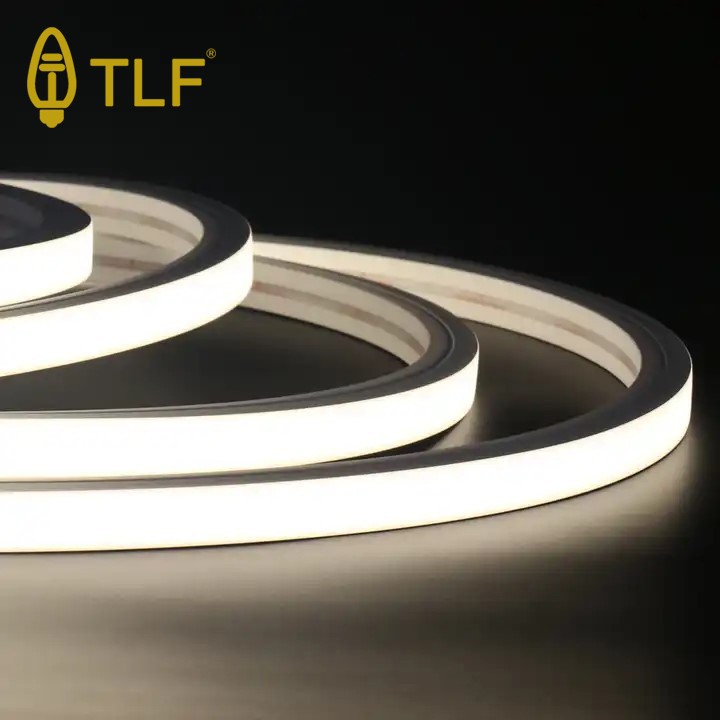
The neon yellow color of these LED lights provides a vibrant and eye - catching illumination. It can be used for various decorative purposes, such as highlighting architectural features, creating a unique ambiance in a room, or adding a pop of color to outdoor spaces like patios or gardens.

Compatibility with Smart Home Systems
The good news is that in most cases, IP67 neon yellow LED lights can indeed be connected to a smart home system. However, several factors need to be considered to ensure seamless integration.
Smart Control Protocols
One of the key aspects is the smart control protocol. There are several popular protocols in the smart home market, such as Wi - Fi, ZigBee, and Bluetooth. For an IP67 neon yellow LED light to be connected to a smart home system, it must support one of these protocols. Many modern LED lights come with built - in Wi - Fi or Bluetooth modules, which allow them to be controlled via a smartphone app. For example, if your smart home system is based on a Wi - Fi network, you can choose an IP67 neon yellow LED light that supports Wi - Fi connectivity. This way, you can control the light's brightness, color temperature (if applicable), and even turn it on or off from anywhere using your smartphone.
Hub Requirements
Some smart home systems require a central hub to manage all the connected devices. If your IP67 neon yellow LED light uses a protocol like ZigBee, you will likely need a ZigBee hub to connect it to your smart home system. The hub acts as a bridge between the light and your smartphone or other control devices. It receives commands from your control device and then relays them to the LED light.
Integration with Smart Assistants
Another important aspect is the integration with smart assistants such as Amazon Alexa, Google Assistant, or Apple HomeKit. Many users prefer to control their smart home devices using voice commands. If your IP67 neon yellow LED light is compatible with these smart assistants, you can simply say, "Alexa, turn on the neon yellow light," and the light will respond accordingly. This adds an extra layer of convenience to the user experience.
Benefits of Connecting IP67 Neon Yellow LED Lights to a Smart Home System
Customization
One of the significant benefits of connecting these LED lights to a smart home system is the ability to customize the lighting. You can adjust the brightness of the neon yellow light to create different moods. For a relaxing evening, you can dim the light, while for a party or a festive occasion, you can set it to full brightness. Additionally, some smart LED lights allow you to change the color temperature, which can further enhance the ambiance.
Energy Efficiency
Smart home systems often come with features that help save energy. For example, you can set schedules for your IP67 neon yellow LED lights to turn on and off at specific times. This ensures that the lights are not left on when they are not needed, reducing energy consumption. Moreover, you can also use motion sensors or light sensors in conjunction with the smart home system. If the room is already well - lit by natural light, the smart system can automatically turn off the LED lights, saving electricity.
Remote Control
With a smart home system, you can control your IP67 neon yellow LED lights from anywhere in the world. This is particularly useful if you are away from home and want to create the illusion that someone is present. You can turn the lights on and off at random intervals, which can enhance the security of your home.
Potential Challenges
Compatibility Issues
As mentioned earlier, compatibility can be a challenge. Not all IP67 neon yellow LED lights are compatible with every smart home system. You need to carefully research and choose a light that is compatible with your existing smart home setup. If you are planning to build a new smart home system, you can select both the LED lights and the smart home hub based on their compatibility.
Installation Complexity
Installing an IP67 neon yellow LED light and connecting it to a smart home system may require some technical knowledge. You need to ensure that the light is properly wired and that the smart connection is set up correctly. If you are not comfortable with DIY installation, it is advisable to hire a professional electrician or a smart home installer.
Examples of Smart IP67 Neon Yellow LED Lights
There are several products in the market that offer both IP67 protection and smart connectivity. For instance, you can explore Silica Gel Led Neon Flex, which combines the flexibility of a neon strip with the durability of silica gel and smart control features. Another option is the Outdoor Led Neon Light, designed specifically for outdoor use and can be easily integrated into a smart home system. The Energy Saving Led Neon Light Flexible Light Strip is also a great choice, offering energy - saving features along with smart control capabilities.
Conclusion
In conclusion, the IP67 neon yellow LED lights can be connected to a smart home system, providing numerous benefits such as customization, energy efficiency, and remote control. However, it is crucial to consider factors like smart control protocols, hub requirements, and compatibility with smart assistants. While there may be some challenges in terms of compatibility and installation, with proper research and planning, you can successfully integrate these lights into your smart home.
If you are interested in purchasing IP67 neon yellow LED lights for your smart home project, I encourage you to reach out to me. I can provide you with detailed product information, help you choose the right lights for your needs, and guide you through the installation and integration process. Let's work together to create a smart and vibrant lighting solution for your home.
References
- Lighting Research Center, Rensselaer Polytechnic Institute. "Smart Lighting Basics."
- Consumer Technology Association. "Smart Home Trends and Technologies."
- Industry reports on LED lighting and smart home systems.